
Explore the innovative ways multiphysics simulation is being used worldwide to advance research
Multiphysics modeling and simulation drives innovation across industries and academia — as is evidenced by the many uses showcased in the technical papers and posters presented by engineers, researchers, and scientists at the COMSOL Conference each year.
Draw inspiration from the recent proceedings collected below, or, to find a specific presentation or filter by application area or conference year/location, use the Quick Search tool.
View the COMSOL Conference 2025 Collection

Propylene is the second most important olefin and the second largest volume industrial chemical produced globally. In 2015, the global demand for propylene was about 94 million metric tons. The largest use for propylene is the production of polypropylene, consuming 67% of propylene ... Read More

Lithium ion batteries and similar energy storage devices have an increasing importance for the modern society as they are present in many portable electronic devices and have perspectives in the fields of electric vehicles and renewable energy accumulation. Herein, we present results ... Read More

Field observations suggest that two-phase "heat-pipe" processes are active around magmatic intrusions. We are numerically testing the viability of this process around a volcanic sill, embedded in wet sediment. The model focuses on the heat transported by water in the vapor and liquid ... Read More

Solar energy storage has been an extensive research topic among the several thermal energy applications over the past three decades. Thermal energy storage (TES) systems in general, improve the energy efficiency of systems and sustainability of buildings by reducing the mismatch between ... Read More

Navy systems, such as turbine engines, produce large quantities of thermal energy. This energy is a byproduct of the work produced by the engine during operation and is typically rejected to its surroundings. The temperature difference between the turbines and the ocean is substantial ... Read More

As a part of the Pan-Canadian framework for clean growth, Canada is intent on meeting its 2030 emission targets for which 17% of Canada’s total Green House Gas emissions come from buildings. Given this challenge, emphasis is being placed on developing building designs having greatly ... Read More
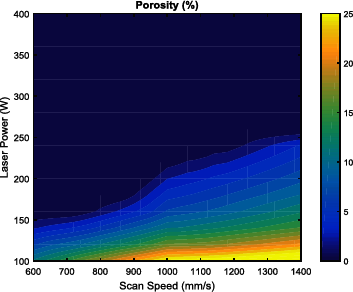
Additive manufacturing technology is becoming more popular for the fabrication of metal products as it offers rapid prototyping and large design freedom. However, part quality of components fabricated by current additive manufacturing technology is not comparable to that produced by ... Read More

Previously researchers have modeled the human body using CAD software to create geometries that are approximately the same shape as the human body. While these CAD designs appear similar, they do not account for complex organ anatomy or sudden changes at the skin surface. Now, the human ... Read More


