
Search Results

Characterizing the Flow and Choosing the Right Interface
No matter the focus of your modeling project, you have probably had to consider fluid flow at some point. Here, we discuss how to characterize the flow and choose the correct CFD interface.
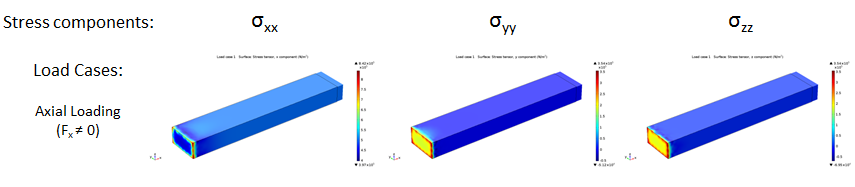
Computing Stiffness of Linear Elastic Structures: Part 2
Learn how to compute the stiffness of linear elastic structures in 2D and 3D with COMSOL Multiphysics® by implementing the Poisson effect. Part 2 of a 2-part series on computing stiffnesses.
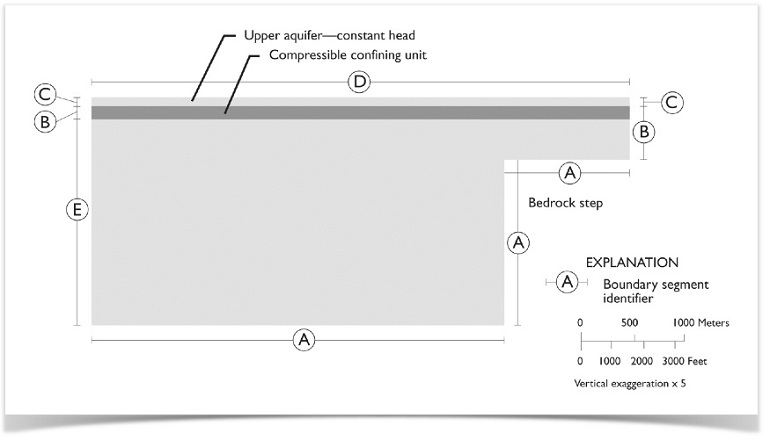
Exploring Below the Surface with a Poroelastic Analysis
How did the Leaning Tower of Pisa get its “lean”? We discuss poromechanics in building mechanics and how to run a Biot poroelasticity analysis for such problems.
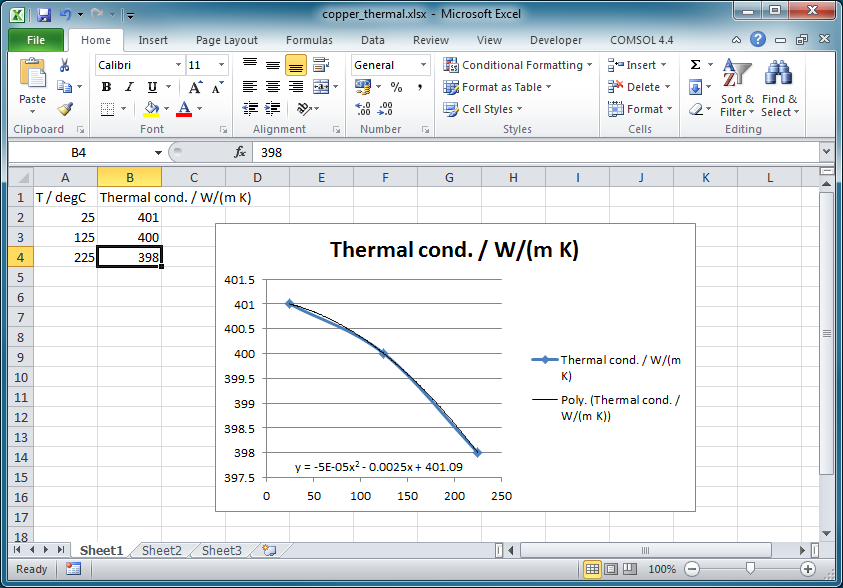
How to Create a Material Database from Spreadsheet Data
Did you know that you can use spreadsheet data to create a material database for use in your COMSOL Multiphysics® simulations? Learn how here >>
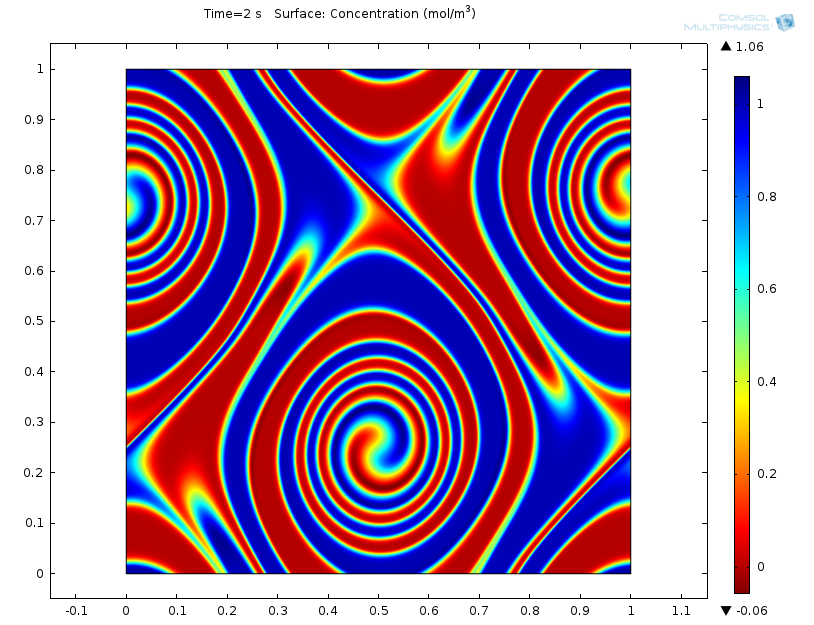
Simulating Kelvin-Helmholtz Instability and Climate Dynamics
Q: What do heated soap bubbles, wavy clouds, and Jupiter’s Great Red Spot have in common? A. An unstable motion called Kelvin-Helmholtz instability.
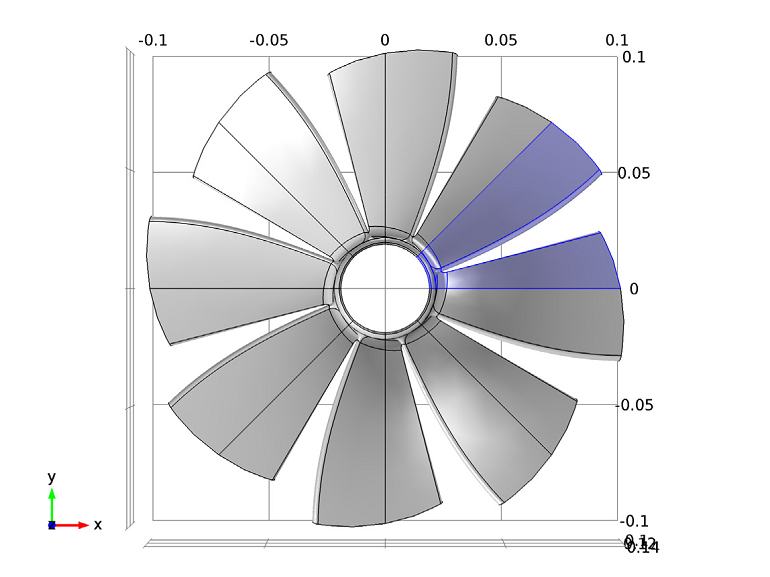
Using Cyclic Symmetry to Reduce Computation Time
Cyclic symmetry can be more complex for rotationally geometries than it can for axially symmetric geometries. Learn how to implement this feature to cut down on computational memory.
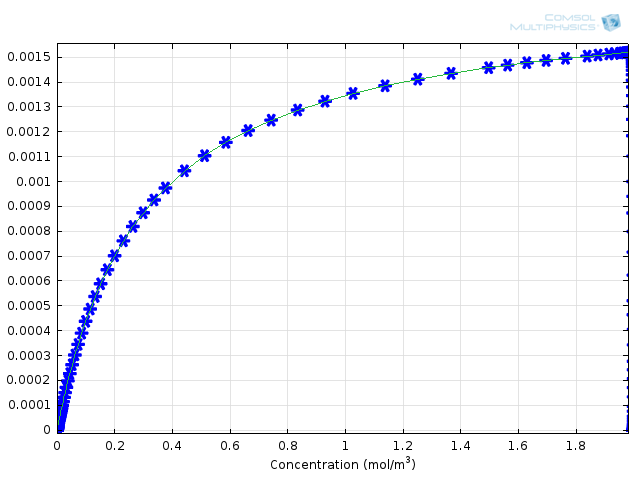
Enzyme Kinetics, Michaelis-Menten Mechanism
For the 100-year anniversary of the Michaelis–Menten mechanism, we honor the trailblazing publication the best way we know how — with simulation.
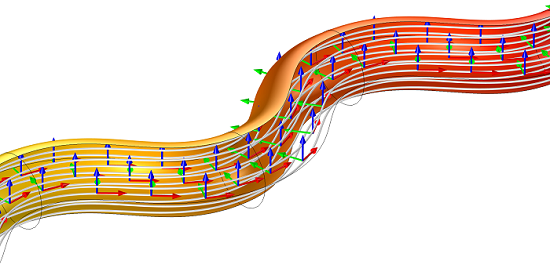
Defining Curvilinear Coordinates for Anisotropic Materials
Consider a carbon-fiber-reinforced polymer with woven fibers embedded in an epoxy matrix. How can you express the anisotropy by referring to the well-known Cartesian coordinate system?