
COMSOL Events Calendar


Modeling Workflow


Electromagnetics


Structural & Acoustics


Fluid & Heat


Chemical


Interfacing


General
Time zone:
My Time (EDT)
Host Time
08:00 AM - 08:00 PM
Show as:
Search
Showing events starting between: 8 a.m. – 8 p.m.
Upcoming Events
Loading Events

Sep 22–25
| 11:00 a.m. EDT
Introduction to COMSOL Multiphysics®
COMSOL
Training Course
Online
Sep 23
| 11:00 a.m. EDT
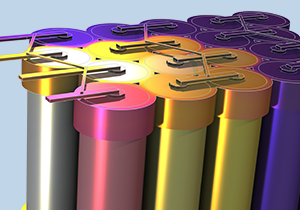
Why Model Batteries with COMSOL Multiphysics®?
Volta
Webinar
Online
Sep 24
| 8:00 a.m. CEST
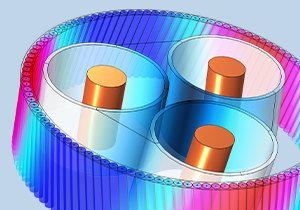
Synthetische Multiphysik-Daten für das KI-Training
Wiley
Webinar
Online

Sep 24
| 11:00 a.m. EDT
Modeling Acoustic Materials in COMSOL Multiphysics®
COMSOL
Webinar
Online
Sep 29
| 9:00 a.m. BST
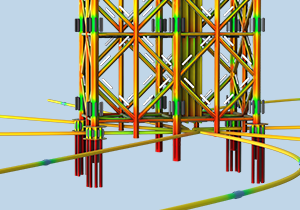
Corrosion and Cathodic Protection Modeling in COMSOL Multiphysics® in 18 Minutes
COMSOL
Webinar
Online

Oct 7–9
| 8:00 a.m. EDT
COMSOL Conference 2026 Boston
COMSOL
Conference
Boston
Oct 11–14
| 8:00 a.m. EDT
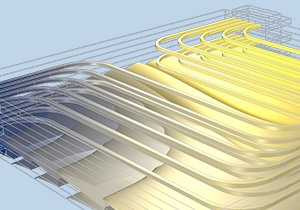
Society of Engineering Science Technical Meeting 2026
COMSOL
Exhibition
West Lafayette
Oct 13–16
| 11:00 a.m. EDT
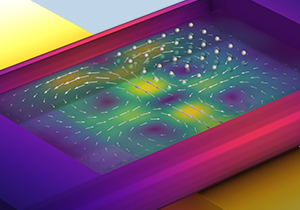
Acoustics Modeling in COMSOL Multiphysics®
COMSOL
Training Course
Online

Oct 20–22
| 7:00 p.m. JST
COMSOL Conference 2026 Tokyo
COMSOL
Conference
Tokyo

Oct 21
| 8:30 a.m. CEST
Best practice per studi e solutori in COMSOL Multiphysics®
COMSOL
Webinar
Online

Oct 22
| 2:00 p.m. EDT
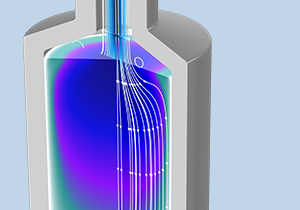
Simulating Battery Packs in COMSOL® for Predicting Lifetime and Degradation
Industry Dive - WardsAuto
Webinar
Online
Oct 27–30
| 11:00 a.m. EDT
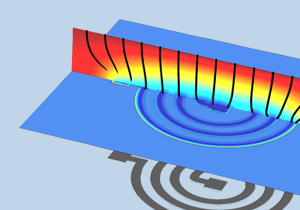
Heat Transfer Modeling in COMSOL Multiphysics®
COMSOL
Training Course
Online
Nov 4
| 11:00 a.m. EST
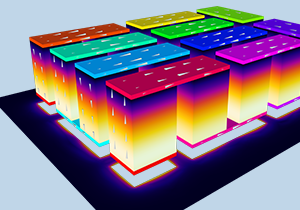
Electrochemistry and Electrodeposition in COMSOL Multiphysics® One-Day Training Course
COMSOL
Training Course
Online
Nov 18
| 8:30 a.m. CET
Personalizza le tue equazioni con COMSOL Multiphysics®
COMSOL
Webinar
Online

Dec 2
| 8:00 a.m. GMT
Multiphysics Modeling in Watchmaking
COMSOL
Webinar
Online
Showing 8 of 15 events
Showing 15 of 15 events
Trainings by Certified Consultants
On-Demand Webinars

Modéliser la gestion thermique des bâtiments avec COMSOL Multiphysics®
Webinar
Sep 17

Supporto GPU per simulazioni più veloci in COMSOL®
Webinar
Sep 16

使用 COMSOL® 优化半导体设备加热系统
Webinar
Sep 10

在 COMSOL® 中生成用于 AI 训练的多物理场数据
Webinar
Sep 03
Why Model and Simulate Batteries?
Webinar
Sep 02
Modellare le geometrie in COMSOL Multiphysics®
Webinar
Aug 27
Comment implémenter vos propres équations dans COMSOL Multiphysics®
Webinar
Aug 27
COMSOL® 中的水声仿真
Webinar
Aug 27
Multiphysics Modeling of Power Electronics
Webinar
Aug 26

Simulering af katodisk beskyttelse af armeret beton med COMSOL® på 18 minutter
Webinar
Aug 26

COMSOL® 多物理场仿真在固态电池研发中的应用
Webinar
Aug 20
COMSOL® 中的基于方程建模
Webinar
Aug 13
The Basics of COMSOL Multiphysics® in 18 Minutes
Webinar
Aug 11

使用 COMSOL® 模拟射频设备中的电磁热
Webinar
Aug 06
HVAC System Optimization and Leak Prevention with COMSOL®
Webinar
Aug 04

Multiphysics Modeling of Semiconductors, Part 3: Surface Processing
Webinar
Aug 04
使用 COMSOL® 模拟 SAW/BAW 器件
Webinar
Jul 30

Modeling Thermoplasmonics of Gold Nanoparticles Using COMSOL®
Webinar
Jul 29

Multiphysics Modeling of Semiconductors, Part 2: Device Physics
Webinar
Jul 28
Estimation de paramètres sur les propriétés des matériaux avec COMSOL Multiphysics®
Webinar
Jul 23

Electrodeposition Modeling with COMSOL Multiphysics®
Webinar
Jul 21

Multiphysics Modeling of Semiconductors, Part 1: Packaging & Testing
Webinar
Jul 21

Modeling Explicit Dynamics in COMSOL Multiphysics®
Webinar
Jul 16
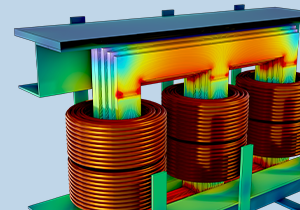
COMSOL® 在电力设备数字孪生与智能运维中的应用
Webinar
Jul 16
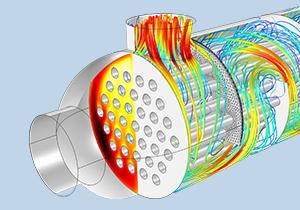
Introduction to Modeling Fluid Flow and Heat Transfer in COMSOL Multiphysics®
Webinar
Jul 14
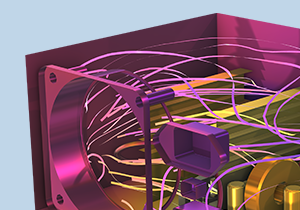
Migliorare la gestione termica dei dispositivi elettronici con COMSOL Multiphysics®
Webinar
Jul 09
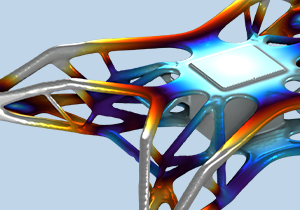
Optimisez le design de vos produits avec COMSOL Multiphysics®
Webinar
Jul 09
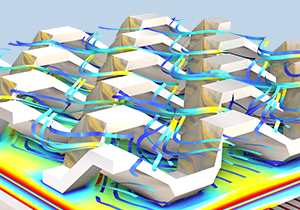
在 COMSOL® 中高效求解大型模型
Webinar
Jul 09
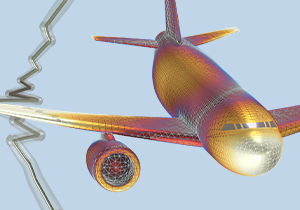
Modeling for Aerospace Engineering with COMSOL Multiphysics®
Webinar
Jul 08
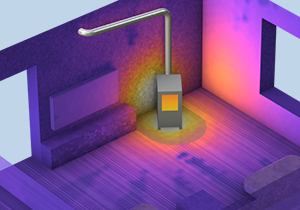
使用 COMSOL® 模拟热辐射
Webinar
Jul 02

Modellare il comportamento dei materiali granulari con COMSOL Multiphysics®
Webinar
Jun 30
Modeling of Electrodeposition & Electroplating with COMSOL Multiphysics®
Webinar
Jun 25
COMSOL® 中的颗粒流仿真
Webinar
Jun 25

Modeling Medical and Biomedical Devices with COMSOL Multiphysics®
Webinar
Jun 24
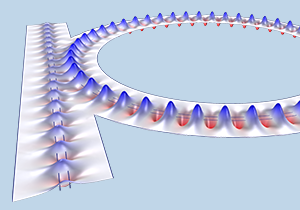
Modeling Optical Waveguides in COMSOL®
Webinar
Jun 18

Comment gagner en efficacité avec la fenêtre Chatbot de COMSOL Multiphysics®
Webinar
Jun 18
COMSOL® 多物理场仿真在特高压技术中的应用
Webinar
Jun 18
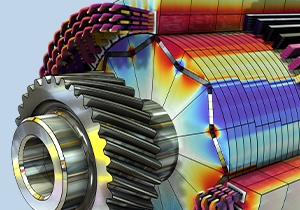
Designing Efficient Electric Motors with COMSOL Multiphysics
Webinar
Jun 17

AI-Assisted Simulation and Agentic Workflows
Webinar
Jun 16
Modeling Corrosion and Corrosion Protection with COMSOL Multiphysics®
Webinar
Jun 16

Accelerating Battery Manufacturing Through Modeling and AI
Webinar
Jun 11

Modélisation en électromagnétisme basse-fréquence avec COMSOL Multiphysics®
Webinar
Jun 11

使用 COMSOL® 模拟管道中的流动和传热
Webinar
Jun 11

Two-Phase Flow in Microfluidic Systems in 18 minutes
Webinar
Jun 10
使用 COMSOL® 模拟电池老化
Webinar
Jun 04
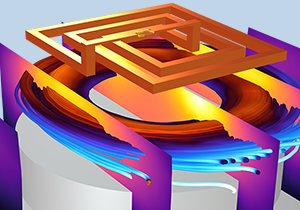
Accelerating Nuclear Innovation: The Power of Multiphysics Simulation
Webinar
Jun 01
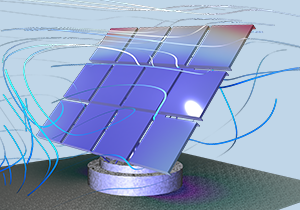
Bonnes pratiques pour évaluer et afficher les résultats dans COMSOL Multiphysics®
Webinar
May 28
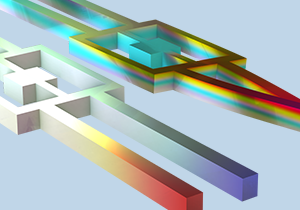
COMSOL® 中的结构力学仿真
Webinar
May 28
Modeling Hydrogen Fuel Cells and Electrolyzers
Webinar
May 27

Multiphysics Modeling for Acoustics Applications, Part 3: Acoustic-Flow Interaction (Aeroacoustics)
Webinar
May 26

Costruire modelli surrogati in COMSOL Multiphysics®
Webinar
May 26
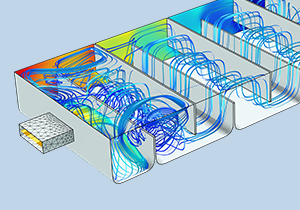
Modeling Water Treatment Processes in COMSOL Multiphysics®
Webinar
May 20
Synthetic Multiphysics Data for AI Training
Webinar
May 19
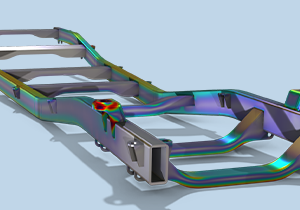
Modélisation en mécanique des structures avec COMSOL Multiphysics®
Webinar
May 19
Modeling Granular Flow with COMSOL Multiphysics®
Webinar
May 14
Introduction to Explicit Dynamics in Version 6.4
Webinar
May 14

COMSOL® 中的高频电磁场仿真
Webinar
May 14

GPU-Beschleunigung in COMSOL®
Webinar
May 12

Multiphysics Modeling for Acoustics Applications, Part 2: Acoustic–Thermal Interaction (Thermoacoustics)
Webinar
May 05

Modeling Biochemical Sensors and Testing Devices with COMSOL®
Webinar
Apr 30

使用 COMSOL® 模拟聚合物流动
Webinar
Apr 29

Material Homogenization
Webinar
Apr 28

Modeling Microwave-Heated Multiphase Reactors Using COMSOL Multiphysics®
Webinar
Apr 28
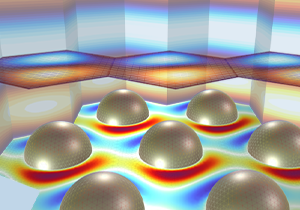
Modeling Optical Nanostructures with COMSOL Multiphysics®
Webinar
Apr 23

Modellazione multifisica dei dispositivi di comunicazione ad alta velocità
Webinar
Apr 23
Bonnes pratiques pour les études et les solveurs avec COMSOL Multiphysics®
Webinar
Apr 23
COMSOL® 多物理场仿真在半导体键合工艺中的应用
Webinar
Apr 23
The Basics of COMSOL Multiphysics® in 18 Minutes
Webinar
Apr 21
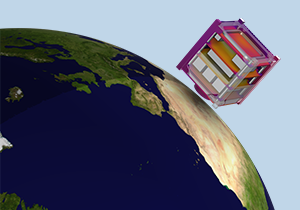
Modeling Heat Transfer of Spacecraft with COMSOL Multiphysics®
Webinar
Apr 21

Design and Optimization of Semiconductor Fabrication Equipment Using COMSOL®
Webinar
Apr 16
Modéliser les systèmes de puissance pour le réseau électrique avec COMSOL Multiphysics®
Webinar
Apr 16

借助 GPU 加速 COMSOL Multiphysics® 仿真
Webinar
Apr 16

Improving Thermal Management of Electronic Devices with COMSOL Multiphysics®
Webinar
Apr 15

Multiphysics Modeling for Acoustics Applications, Part 1: Acoustic–Structure Interaction (Vibroacoustics)
Webinar
Apr 14
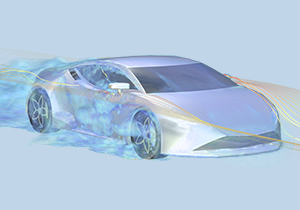
COMSOL® 中的 CFD 仿真
Webinar
Apr 09

使用 COMSOL® 模拟放电现象
Webinar
Apr 02
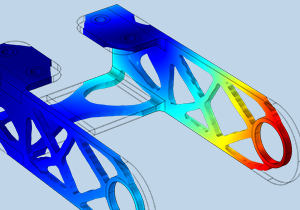
使用 COMSOL® 进行形状与拓扑优化
Webinar
Mar 26
Solving Large Models in COMSOL Multiphysics®
Webinar
Mar 25

Multiphysics Simulation for Automotive Power Electronics
Webinar
Mar 25
Analisi acustiche nel settore automobilistico con COMSOL Multiphysics®
Webinar
Mar 24
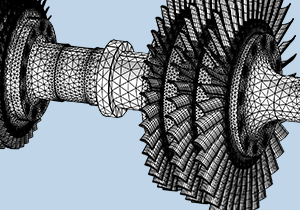
Comment construire un maillage personnalisé dans COMSOL Multiphysics®
Webinar
Mar 19
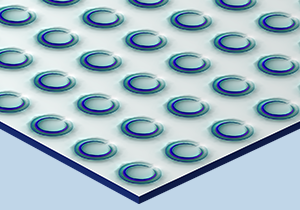
COMSOL® 多物理场仿真优化光学超材料设计
Webinar
Mar 19
Innovating Hydrogen Technologies with Simulation
Webinar
Mar 18
Modeling Gyroscopes and Accelerometers in COMSOL Multiphysics®
Webinar
Mar 17
Améliorer les Performances des Piles à Combustible et des Electrolyseurs avec COMSOL Multiphysics®
Webinar
Mar 12
使用 COMSOL® 模拟高性能电机
Webinar
Mar 12
Predicting Viscous Fingering in Porous Media Using COMSOL Multiphysics®
Webinar
Mar 05

使用模型管理器进行仿真数据管理
Webinar
Mar 05
Why Model and Simulate Batteries?
Webinar
Mar 04

Editing, Repairing, and Combining Imported STL Files with CAD
Webinar
Mar 03

Modeling Rotordynamics with COMSOL Multiphysics®
Webinar
Feb 26
The Basics of COMSOL® in 18 Minutes
Webinar
Feb 26
Modélisation géométrique avec COMSOL Multiphysics®
Webinar
Feb 19
Analisi e visualizzazione dei risultati in COMSOL Multiphysics®
Webinar
Feb 18

Modeling Nonlinear Photonics in Dielectric Resonant Metasurfaces Using COMSOL®
Webinar
Feb 18
Modéliser la Corrosion et les Systèmes de Protection contre la Corrosion avec COMSOL Multiphysics®
Webinar
Feb 12
非线性结构材料参数估计
Webinar
Feb 05
Modeling and Simulation of MEMS Devices
Webinar
Feb 04
Modeling Photonic Crystals in COMSOL Multiphysics
Webinar
Jan 29
Modéliser les batteries avec COMSOL Multiphysics®
Webinar
Jan 29

COMSOL® 多物理场仿真在功率半导体中的应用
Webinar
Jan 29

Modeling Emerging Battery Technologies with COMSOL Multiphysics®
Webinar
Jan 28
Modeling Emerging Battery Technologies with COMSOL Multiphysics®
Webinar
Jan 28

Modéliser les Bobines avec COMSOL Multiphysics®
Webinar
Jan 22
Automotive Acoustics Analysis Using COMSOL Multiphysics
Webinar
Jan 21
Modellare i flussi turbolenti con COMSOL Multiphysics®
Webinar
Jan 20
COMSOL® 中的流热耦合仿真
Webinar
Jan 15
在 COMSOL® 中实现仿真流程自动化
Webinar
Jan 08
多物理场仿真结果的处理与可视化
Webinar
Dec 25
COMSOL Multiphysics® 6.4 版本功能简介
Webinar
Dec 18
Parameter Estimation for Nonlinear Materials
Webinar
Dec 11
Modéliser le contact mécanique avec COMSOL Multiphysics®
Webinar
Dec 11
COMSOL® 中的等离子体仿真
Webinar
Dec 11
Introducing COMSOL Multiphysics® Version 6.4
Webinar
Dec 10
Migliorare la progettazione e la gestione termica delle batterie
Webinar
Dec 10
Modéliser les dispositifs médicaux et biomédicaux avec COMSOL Multiphysics®
Webinar
Dec 04

COMSOL® 中的化学反应工程仿真
Webinar
Dec 04
Multiphysics Simulation for Vehicle Electrification
Webinar
Dec 02
COMSOL® 多物理场仿真在新能源汽车领域中的应用
Webinar
Nov 27
Optimising Manufacturing Processes Through Simulation
Webinar
Nov 26

Simulare per il biomedicale con COMSOL Multiphysics®
Webinar
Nov 26
Designing Efficient Electric Motors with COMSOL Multiphysics
Webinar
Nov 26

使用 COMSOL® 模拟声学超材料
Webinar
Nov 20

Efficient Battery Modeling with Surrogate Models
Webinar
Nov 19
Automating Your Modeling Workflow in COMSOL Multiphysics®
Webinar
Nov 18
Modéliser le packaging et les tests de dispositifs électroniques avec COMSOL Multiphysics®
Webinar
Nov 13
使用 COMSOL 模拟 RF 和光学周期性结构
Webinar
Nov 13
Progettare per l’industria aerospaziale con COMSOL Multiphysics®
Webinar
Nov 05
Modeling Gyroscopes and Accelerometers in COMSOL Multiphysics®
Webinar
Oct 30
COMSOL 多物理场仿真在功率器件中的应用
Webinar
Oct 23
Personalizza le tue equazioni con COMSOL Multiphysics®
Webinar
Oct 22
Modéliser les écoulements turbulents avec COMSOL Multiphysics®
Webinar
Oct 16

COMSOL 多物理场仿真在数字岩心中的应用
Webinar
Oct 16
Modeling and Simulation for Electric Motor Design
Webinar
Oct 15
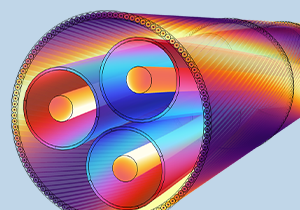
Simulating Electrical Power Systems for the Grid
Webinar
Oct 14

Unravelling Chemomechanical Effects in Lithium-Ion Batteries
Webinar
Oct 09
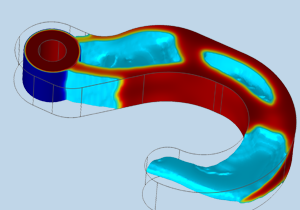
Optimierung keramischer 3D-Drucke durch Simulation
Webinar
Oct 09
Simulare sistemi elettrici di potenza
Webinar
Oct 08
Modeling Next-Generation Battery Technologies with COMSOL Multiphysics®
Webinar
Oct 06
Modeling Emerging Battery Technologies with COMSOL Multiphysics®
Webinar
Sep 25
Modéliser le rayonnement thermique avec COMSOL Multiphysics®
Webinar
Sep 25
在 COMSOL 中创建、训练和使用代理模型
Webinar
Sep 25
Ottimizzare le simulazioni di meccanica strutturale
Webinar
Sep 24
Modeling and Simulation of MEMS Devices
Webinar
Sep 23
电力设备噪声的多物理场仿真
Webinar
Sep 18
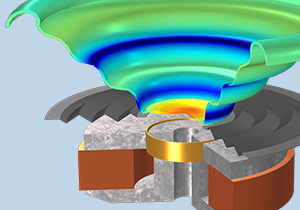
COMSOL 多物理场仿真在声学中的应用
Webinar
Aug 27

COMSOL 仿真 App 开发、部署和应用
Webinar
Aug 21
使用 COMSOL 模拟热应力
Webinar
Aug 14
COMSOL 在半导体封测中的应用
Webinar
Aug 07
使用 COMSOL 模拟多孔介质流和地下水流
Webinar
Jul 31
多物理场仿真在电力变压器中的应用
Webinar
Jul 24
COMSOL 多物理场仿真在光学领域中的应用
Webinar
Jul 16
多物理场仿真在半导体制程中的应用
Webinar
Jul 10
COMSOL® 中的低频电磁场仿真
Webinar
Jul 03
使用 COMSOL 进行流固耦合仿真
Webinar
Jun 26
COMSOL® 中的传热仿真
Webinar
Jun 19
多物理场仿真在先进封装中的应用
Webinar
Jun 12
COMSOL® 在电力设备中的应用
Webinar
Jun 05

COMSOL® 网格划分功能介绍
Webinar
May 29
COMSOL® 在半导体薄膜沉积工艺中的应用
Webinar
May 20
COMSOL® 中的结构力学仿真
Webinar
May 15

COMSOL® 中的 CFD 仿真
Webinar
May 08

将随频率变化的数据融入 COMSOL® 时域声学仿真
Webinar
Apr 24
COMSOL® 中的电池仿真
Webinar
Apr 17
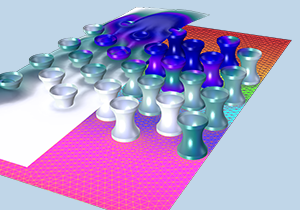
使用 COMSOL® 模拟生物传感器和检测设备
Webinar
Mar 27
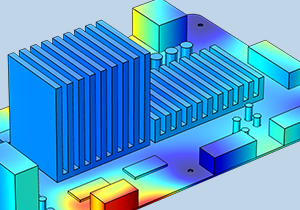
Multiphysics Modeling of Electronic Components
Webinar
Mar 20
使用 COMSOL® 模拟电声器件
Webinar
Mar 20
使用 COMSOL® 进行锂离子电池模型的参数估计
Webinar
Mar 06
使用 COMSOL® 模拟放电现象
Webinar
Feb 27
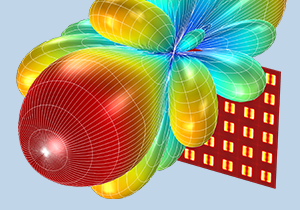
使用 COMSOL® 模拟雷达和天线
Webinar
Feb 20
使用模型管理器进行仿真数据管理
Webinar
Feb 13

LiveLink™ for MATLAB® 和 LiveLink™ for Simulink® 功能简介
Webinar
Jan 09
COMSOL® 中的低频电磁场仿真
Webinar
Jan 03
使用 COMSOL Multiphysics® 优化设计
Webinar
Dec 26
COMSOL® 中的结构力学仿真
Webinar
Dec 19
COMSOL® 中的传热仿真
Webinar
Dec 12
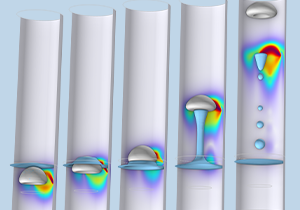
COMSOL® 中的多相流仿真
Webinar
Dec 05
COMSOL Multiphysics® 6.3 版本功能简介
Webinar
Nov 28
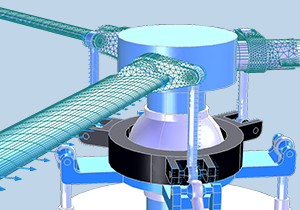
COMSOL® 中的转子动力学和多体动力学仿真
Webinar
Nov 21
COMSOL® 求解器介绍及设置方法
Webinar
Nov 14
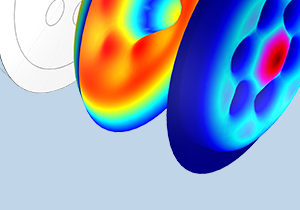
使用 COMSOL Multiphysics® 模拟声学超材料
Webinar
Nov 07
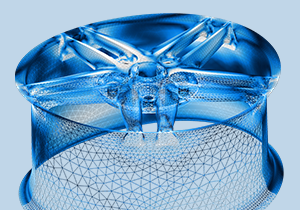
多物理场仿真结果的处理与可视化
Webinar
Oct 24
COMSOL® 中的等离子体仿真
Webinar
Oct 17
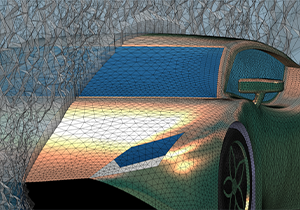
COMSOL® 网格划分功能介绍
Webinar
Oct 10
Showing 6 of 184 events
Showing 184 of 184 events
Trainings by Certified Consultants
- Product Information
- Products
- Specification Chart
- License Options
- System Requirements
- Release History
- Support and Services
- Support Center
- My Support Cases
- Knowledge Base
- Partners and Consultants
- Documentation
- Product Download
- Company
- About
- Careers
- Press
- Contact Us
- |
- Privacy Policy
- |
- Trademarks
- |
- Cookie Settings
- |
- UEI: N3FKP2UJ5C21
- |
- © 2026 by COMSOL. All rights reserved


