
Harvey Buck, Roche Diagnostics Operations, Inc., Indianapolis, IN, USA
The test strips in glucose monitors, widely used by people with diabetes to maintain good health, are sensitive to chemical interferences and environmental conditions. The manufacturing process and electrode configuration of these strips also affects response accuracy. Researchers at Roche Diagnostics Operations, Inc. used multiphysics simulation to analyze the chemical reactions and voltage response in their glucometers.
Using COMSOL Multiphysics, Harvey Buck, principal scientist at Roche, investigated different configurations and materials used in the test strips. He analyzed the electrical response to an applied voltage during the chemical reaction catalyzed in a sample. Through numerical simulation, he predicted the sensitivity of electrical impedance measurements to mechanical properties of the sensor. He also optimized the electrode configuration, maximized sensitivity to cell fraction in a sample, and minimized sensitivity to manufacturing tolerances. These simulation results have given the Roche team a better understanding of their integrated sensor design for glucose monitoring.
Suggested Stories
Keynote: Leveraging Acoustics Simulation for Better Alexa® Devices
Watch this keynote talk to see how Amazon Lab126 uses the COMSOL Multiphysics® software to simulate and ...

Modeling Thermomechanical Fatigue in COMSOL Multiphysics®
You can analyze thermomechanical fatigue in COMSOL Multiphysics® using experimental data from fatigue testing and ...
Highly Accurate Li-ion Battery Simulation
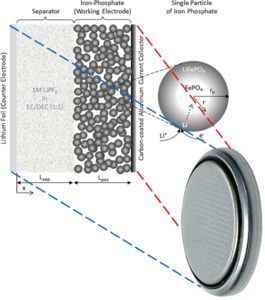
Battery management systems (BMSs) are designed to protect the batteries and predict their charge level. They use ...

Simulating Tissue Biomechanics During Suction Therapies
To gain a better understanding of the tissue biomechanics involved in cupping therapy, a research team from the ...


