
Daniel Höche, HZG, Germany; Nils Bösch, Daimler AG, Germany
Galvanic corrosion, which occurs when the surfaces of different adjoining metals begin to degrade, costs the automotive industry billions of dollars annually. The reactions of these different metal combinations is influenced by material properties, surface roughness, and joining techniques in the components.
Researchers at Helmholtz-Zeentrum Geesthacht (HZG) and Daimler AG created COMSOL Multiphysics applications to study corrosion in automotive parts found in car paneling. Simulation helped researchers investigate electrochemical reactions on the surface of the rivet, analyze decay in sheet metal, and understand the effects of geometry on the corrosion process. They also modeled delamination of the steel sheet and assessed the growth of a crevice between the metal layers and a cathodic coating as the zinc plating was consumed. With the understanding they gained of the electrochemical behavior, they were able to provide engineers at HZG and Daimler AG with key information to improve corrosion protection in automotive parts.
Suggested Stories
Radio-Frequency-Induced Heating of Medical Devices in MRI Systems
MED Institute Inc., a full-service contract research organization (CRO) for the medical device industry, is using ...
The Sight of Sound: Revealing the Effects of Enclosure Design on Loudspeaker Performance
L-Acoustics uses acoustics simulation to optimize their bass reflex speakers for sound systems in arenas and concert ...
Boost Sales and Build Stronger Relationships with the Deployment of Simulation Apps
Proofs of concept are often the deciding factor in gaining the trust of a customer and generating a sale. But for high ...
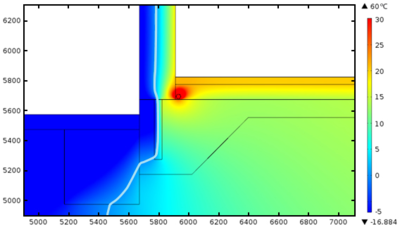
Using Multiphysics Simulation to Prevent Building Damage
In addition to surviving normal winters, a strong building must be able to survive the worst winters expected in a 50 ...


