
Simulation Turns Up the Heat and Energy Efficiency at Whirlpool Corporation
N. Garcia-Polanco
Whirlpool Corporation, Italy
Engineers working on a joint research project between Whirlpool Corporation and the European initiative GREENKITCHEN project are using simulation to improve the energy efficiency of domestic ovens. Since only ten to twelve percent of the total energy expended by an oven is actually used to heat the food, the researchers had plenty to investigate. Using COMSOL Multiphysics® software and the Heat Transfer Module, the team created a model of Whirlpool’s Minerva oven to study the heat transfer processes of convection, conduction, and radiation. The resulting model, which simulates the standard test for energy consumption in the European Union (known as the “brick test”), analyzes the energy, temperature profile, and moisture concentration over different heating cycles. The results of this study will help with future initiatives at Whirlpool and GREENKITCHEN to reduce national energy consumption and improve energy efficiency in Europe.
Suggested Stories
Behind the Rumble and Roar of Mahindra Motorcycles
Optimization is a subtle and delicate art, especially when it comes to motorcycles. Regulatory requirements on pass-by ...
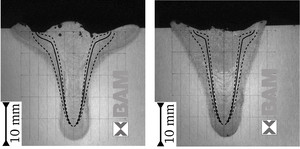
Magnets Improve Quality of High-Power Laser Beam Welding
High-power laser beam welding uses a localized heat source to achieve narrow deep welds and high welding rates. ...
Keynote: Modeling RF Heating of Hydrogen Plasmas for Nuclear Fusion
In nuclear fusion, the tokamak is the leading candidate for becoming a hydrogen fusion reactor, where the operating ...
MTC Develops Simulation App to Revolutionize Design for Additively Manufactured Parts
Tolerances and precision in the aerospace industry are astoundingly tight. Because of the high degree of regulation ...


