
Explore the innovative ways multiphysics simulation is being used worldwide to advance research
Multiphysics modeling and simulation drives innovation across industries and academia — as is evidenced by the many uses showcased in the technical papers and posters presented by engineers, researchers, and scientists at the COMSOL Conference each year.
Draw inspiration from the recent proceedings collected below, or, to find a specific presentation or filter by application area or conference year/location, use the Quick Search tool.
View the COMSOL Conference 2025 Collection
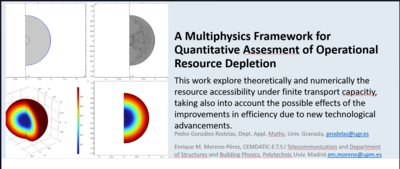
The long-term persistence of technological civilizations remains one of the fundamental questions of thermodynamics, sustainability science and resource economics. Previous discussions have traditionally focused on the finiteness of available resources as the primary limitation to ... Read More

This work introduces an AI-based predictive tool designed to optimize decision-making for the electrochemical recycling of spent catalysts. Developed within the FIREFLY project, the tool optimizes complete, multi-step metal recovery flowsheets. These flowsheets comprise advanced electro ... Read More
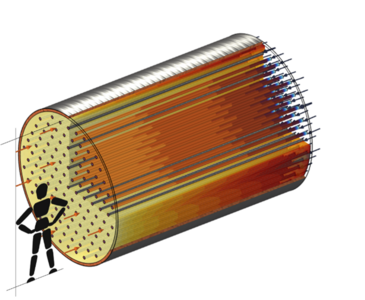
The chemical industry faces increasing pressure to reduce energy consumption and greenhouse gas emissions. Traditional reactor designs often require external heating or cooling, leading to significant energy losses. A promising approach is the dual-flow reactor, which integrates an ... Read More
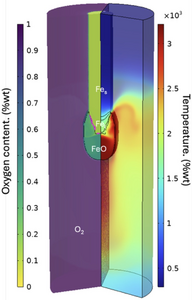
In the context of pure oxygen storage and transportation, such as production facilities, spacecraft propulsion systems, and medical oxygen supply, severe accidents still occasionally occur. These incidents, including facility damage, storage tank explosions, and even the complete loss of ... Read More
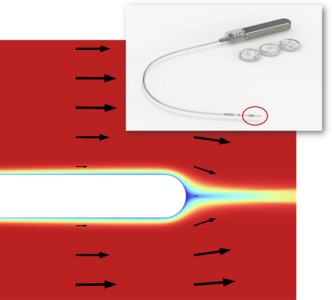
Implantable continuous glucose monitoring systems are an emerging technology in diabetes management. Developing a device that incorporates such a sensor requires extensive experimental testing in a regulated medical-device environment to inform design decisions, optimise sensor ... Read More
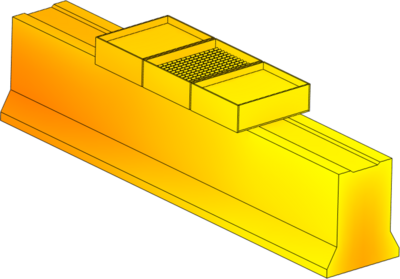
In the nuclear fuel industry, sintering process is employed to transform ceramic pellets into dense, solid structures. The natural sintering occurring in the furnace operates through controlled heating and atmosphere, below the melting point and without external forces. This sintering ... Read More
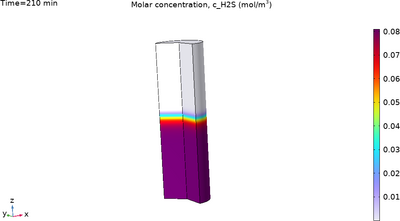
Biogas represents one of the most promising renewable sources for energy production, in which the livestock manure gives several desirable advantages for the anaerobic biodigestion process [1]. However, desulfurization is necessary to prevent corrosive mechanisms and protect the system ... Read More
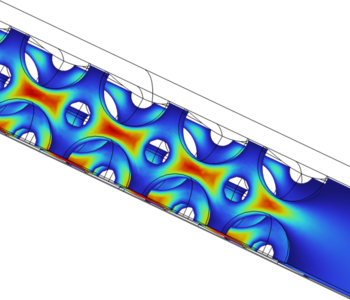
Hydrogen has long been recognized as an environmentally friendly and viable alternative fuel for powering vehicles or applications. Consequently, it is crucial to examine and assess different strategies as well as technologies, which support the hydrogen infrastructure. While hydro-gen ... Read More
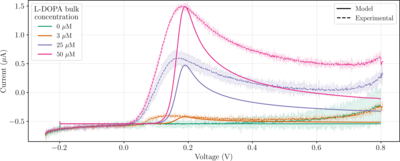
Tyrosinase-based biosensors offer a promising way to detect L-DOPA, a key drug in Parkinson's disease management¹. But getting a reliable signal depends heavily on how the enzyme is immobilized². Glutaraldehyde is commonly used to cross-link the enzyme in place², and BSA is added ... Read More
In modern technology of advanced materials, models play more and more essential role. They are crucial for understanding complex processes occurring during the synthesis. Recently, promising thermoelectric materials used for waste energy recovery have been identified among semiconducting ... Read More


