
S. Lei, R. Enright, R. Frizzell, D. Hernon
Bell Labs, Ireland
The information and communication technology industry needs new energy-efficient devices that can keep up with the explosive growth in data traffic of the last few years. Bell Labs, the research arm of Alcatel-Lucent, is taking the lead in an initiative to reduce the carbon footprint of high-speed communication devices and platforms by investing in new methods for cooling electronics and harvesting energy. The team at Bell Labs used COMSOL Multiphysics to simulate the optical, thermal, and electrical performance of laser systems with integrated microthermoelectric coolers; they used their results to optimize designs of photonic devices and take advantage of the thermoelectric effect. They also simulated the structural, magnetic, and electrical behavior of electromechanical systems to investigate the best design for converting mechanical vibrations into electricity, which will reduce the need for frequent battery replacements for wireless sensors. With their continued research into these topics and the power of simulation, many new technologies for improving energy efficiency are on the horizon.
Suggested Stories
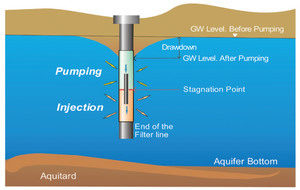
Pumping and Injecting from a Single Borehole
Professor Dr. Martin Sauter leads a group at the University of Göttingen in research on hydrogeology. Cooperating with ...
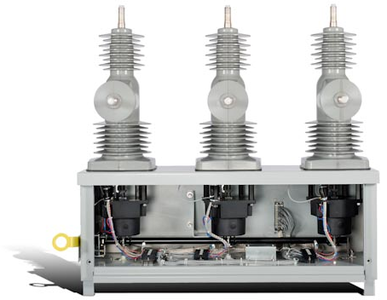
How Reclosers Ensure a Steady Supply of Power: It’s All in the Magnet
When a tree branch touches overhead cables and causes a momentary short circuit, your lights may flicker. A device ...
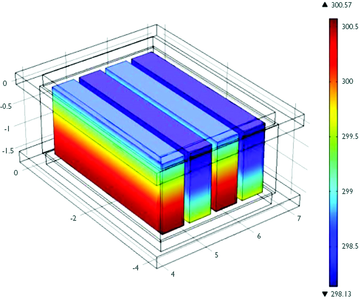
Simulation Helps Improve Atmosphere Revitalization Systems for Manned Spacecraft
To ensure astronaut safety on space missions, it is necessary to routinely revitalize the atmosphere in manned ...

Optimizing Solar Cell Designs with a Simulation App
The SolCelSim app, designed by an MSc student at the University of Zilina, enables researchers to simulate solar cell ...


