
Structural Mechanics Blog Posts
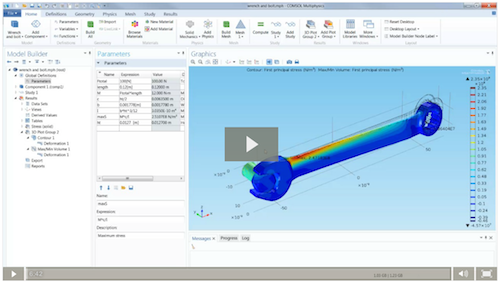
How to Model Stresses and Strains in COMSOL Multiphysics
Want to learn how to model stresses and strains in COMSOL Multiphysics®? This blog post contains an embedded video that will demonstrate the process in under 5 minutes!
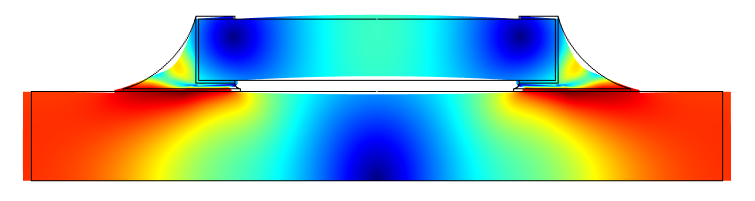
Modeling Thermal Fatigue in Nonlinear Materials
2 challenges when simulating fatigue in nonlinear materials: 1.) Correctly representing the material behavior and 2.) finding a fatigue model that captures the life-controlling mechanism.
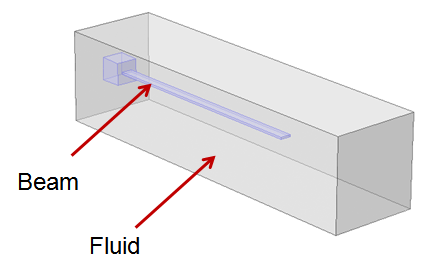
Natural Frequencies of Immersed Beams
A guest blogger from Veryst Engineering demonstrates the modeling of a cantilever beam immersed in a fluid to study its natural frequencies. Read it here >>

Modeling the Hydrostatic Pressure of a Fluid in a Deformable Container
Picture a water balloon being compressed at the center. As you squeeze the balloon, the locations of the highest point and depth of fluid change, altering the hydrostatic pressure distribution.
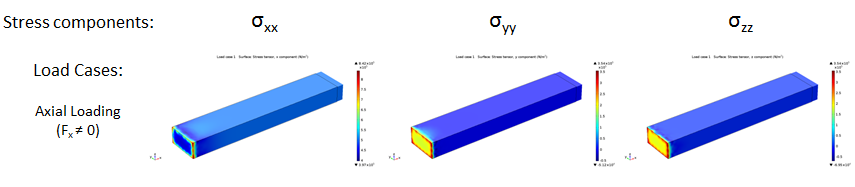
Computing Stiffness of Linear Elastic Structures: Part 2
Learn how to compute the stiffness of linear elastic structures in 2D and 3D with COMSOL Multiphysics® by implementing the Poisson effect. Part 2 of a 2-part series on computing stiffnesses.
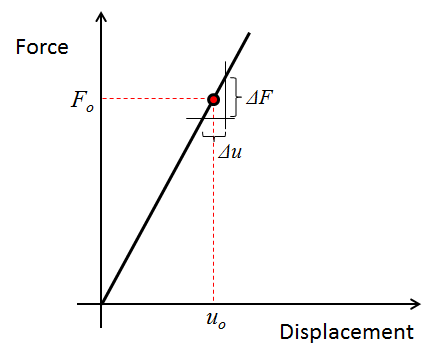
Computing Stiffness of Linear Elastic Structures: Part 1
Learn how to compute the stiffness of linear elastic structures in 1D and 2D by implementing the Timoshenko beam theory in COMSOL Multiphysics®. Part 1 of a 2-part series on computing stiffness.
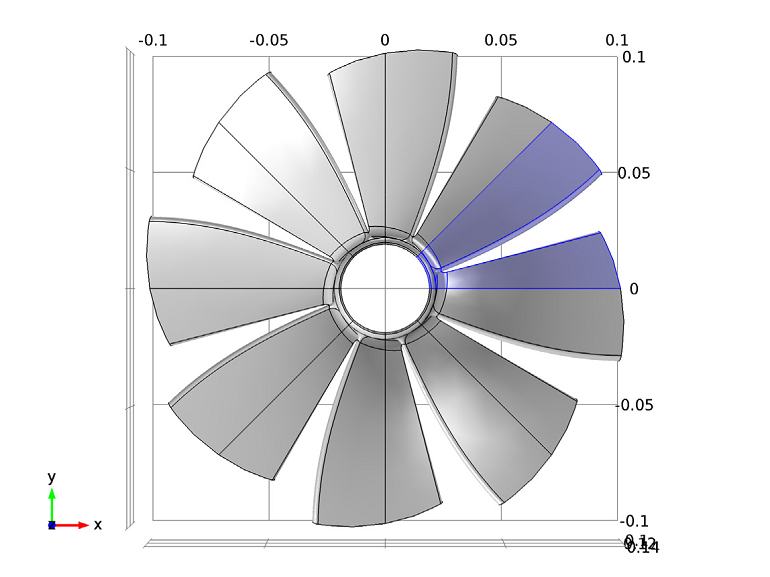
Using Cyclic Symmetry to Reduce Computation Time
Cyclic symmetry can be more complex for rotationally geometries than it can for axially symmetric geometries. Learn how to implement this feature to cut down on computational memory.
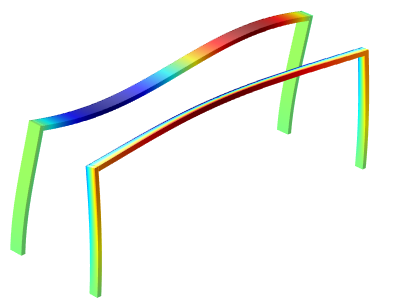
Buckling, When Structures Suddenly Collapse
The easiest way to approach a buckling problem — like a bridge collapse or crushed soda can — is by performing a linearized buckling analysis. See how to do so in COMSOL Multiphysics® here >>


