
Blog Posts Tagged Particle Tracing Module
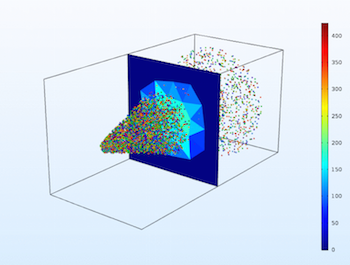
Different Ways to Count Particles in COMSOL Multiphysics
There are 3 ways you can count particles in your particle tracing simulations in COMSOL Multiphysics: during postprocessing, using accumulators, or with the Particle Counter feature.
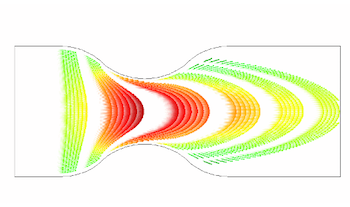
Exploring the Venturi Effect
The Venturi effect: As a fluid flows through a constructed area of a pipe, its velocity increases and its static pressure decreases. Learn more about this effect and its application areas.
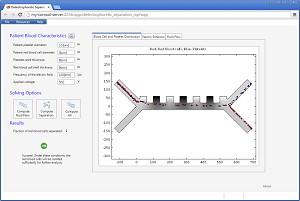
Dielectrophoretic Separation
Dielectrophoresis is a phenomenon in which an electric field is used to control the movement of electrically neutral particles. Learn about how to model this effect in both DC and AC fields.
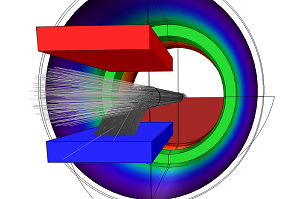
Modeling Beam Neutralization with a Charge Exchange Cell
A charge exchange cell refers to an area of high-density gas that is placed in the path of an ion beam. You can model a charge exchange cell to analyze its neutralization efficiency.
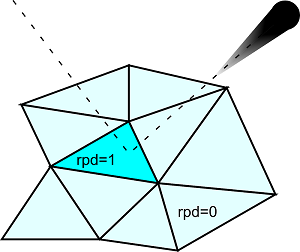
New Accumulators Boost Particle and Ray Tracing Functionality
Accumulators, a series of features available in the Particle Tracing Module, can be used to couple the results of a particle tracing simulation to other physics interfaces.
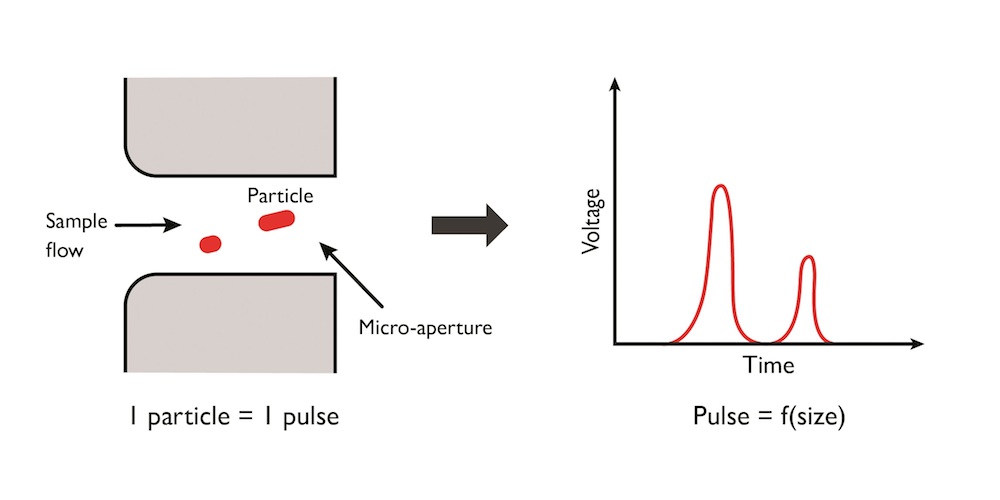
Accurate Hematology Analysis Using Hydrofocusing
Hematology analysis is important for diagnosis and treatment. Researchers at HORIBA Medical used simulation to develop new methods for analyzing the accuracy of their hematology analysis devices.
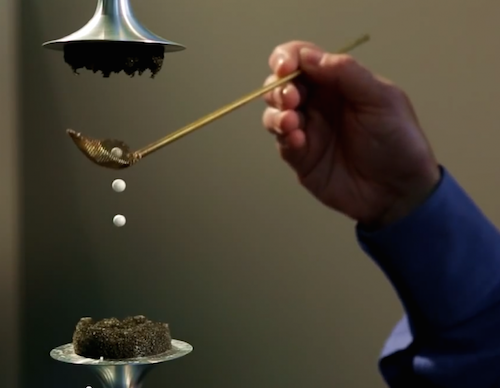
Acoustic Levitation Puts a Pure Spin on Medicine Fabrication
Engineers from Argonne National Laboratory used multiphysics simulation and trial-and-error prototyping to optimize the effectiveness of an acoustic levitator for medical fabrication.
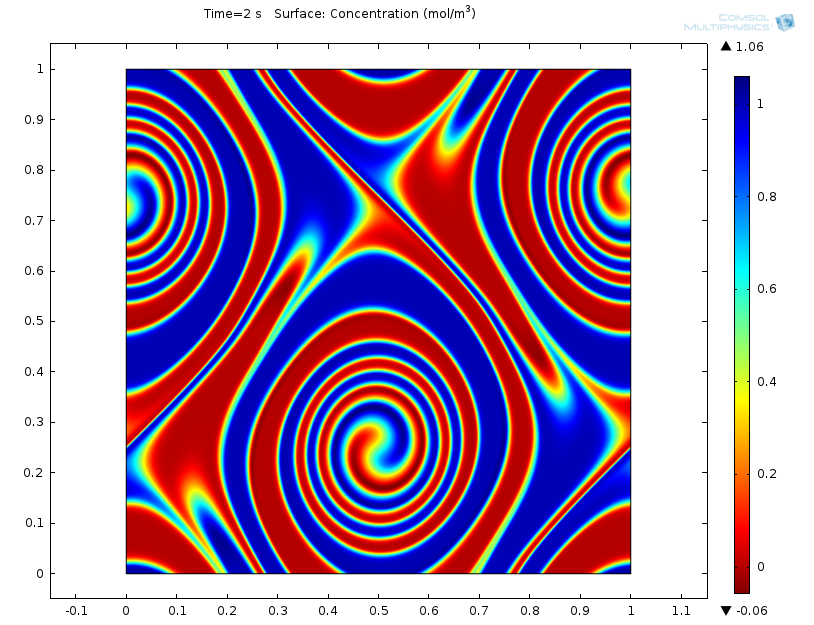
Simulating Kelvin-Helmholtz Instability and Climate Dynamics
Q: What do heated soap bubbles, wavy clouds, and Jupiter’s Great Red Spot have in common? A. An unstable motion called Kelvin-Helmholtz instability.


