
Blog Posts Tagged Technical Content
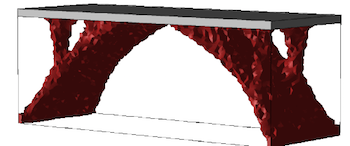
Finding a Structure’s Best Design with Topology Optimization
Think about the first architects who designed a bridge above water. The design process likely included several trials and subsequent failures before they could safely allow people to cross the river. COMSOL Multiphysics and the Optimization Module would have helped make this process much simpler, if they had computers at the time, of course. Before we start to discuss building and optimizing bridges, let’s first identify the best design for a simple beam with the help of topology optimization.

What Is Geometric Nonlinearity?
If you perform structural mechanics analyses, then you have most likely encountered the concept of geometric nonlinearity. But what exactly does geometric nonlinearity mean?

How to Improve Your Paddle Stroke with Simulation
To take a closer look at a paddle stroke, for activities like canoeing and dragon boat racing, we set up a 2D model in COMSOL Multiphysics® and visualize the flow pattern around the paddle blade.
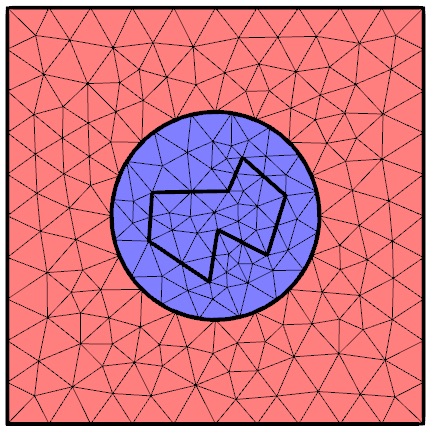
Deformed Mesh Interfaces: Rotations and Linear Translations
Using the finite element method often involves modeling solid objects that are rotating and translating within other domains. See how to use the deformed mesh interfaces to model these movements.
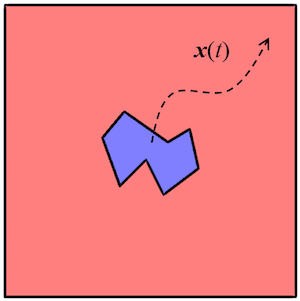
Model Translational Motion with the Deformed Mesh Interfaces
2 interfaces for manually defining the deformation of finite element mesh: Deformed Geometry and Moving Mesh. Learn when and how to use each in this blog post…
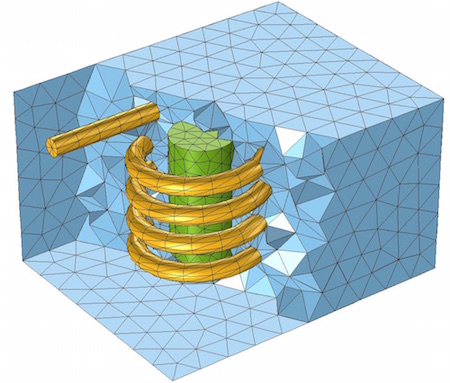
Improving Your Meshing with Swept Meshes
Get a demonstration of using swept meshing to generate efficient and accurate finite element meshes for some common modeling cases, such as calculating the fluid flow through a network of pipes.
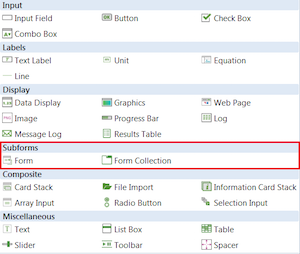
How to Organize Your Simulation App Using Subforms
It is important that simulation apps are as organized as possible for ease of use. Learn how to create organized apps in COMSOL Multiphysics® by using subforms and form collections.
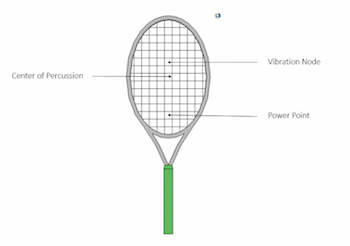
The Physics of Tennis Racket Sweet Spots
Whether you’re a tennis pro or new to the courts, you might enjoy this blog post examining the physics behind the “sweet spots” of a tennis racket.


